Pensacola · Florida Panhandle Estate Planning

Pensacola Estate Planning Attorney for Trusts, Wills & Family Protection

Trusted Elder Law & Asset Protection helps families in Pensacola and across the Florida Panhandle put a complete estate plan in place: revocable living trusts, wills, powers of attorney, health care directives and guardians for children. Attorney Erich M. Niederlehner serves Escambia, Santa Rosa, Okaloosa and Walton counties.

Office: 1202 W. Garden Street, Pensacola Licensed: Florida & Alabama
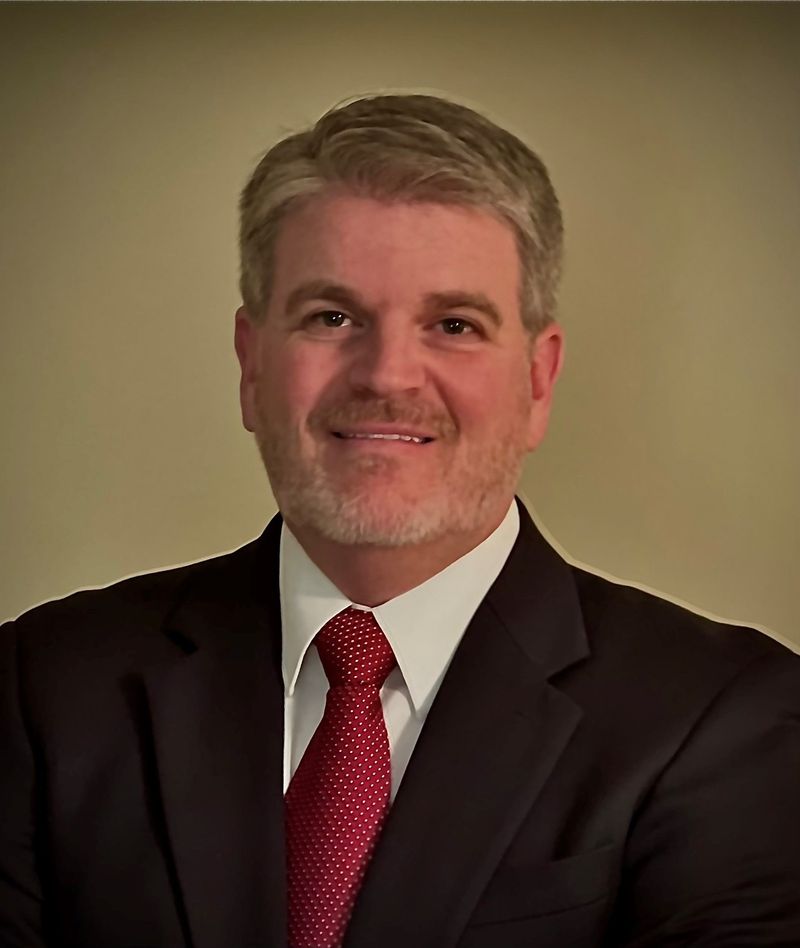
Pensacola estate planning attorney Erich M. Niederlehner
Erich M. Niederlehner Florida Estate Planning Attorney
VIP Pensacola Best in Pensacola badge: voted Pensacola's Best Law Firm, 2024 and 2025

Voted Pensacola's Best Law Firm VIP Pensacola Best in Pensacola reader poll, 2024 and 2025

Florida law, in brief

Three Florida rules every family should know

A will doesn't avoid probate

Assets that pass under a Florida will go through probate in circuit court. Assets held in a funded revocable trust, or with a named beneficiary, pass outside it.

Fla. Stat. ch. 733 & 736

Powers of attorney can't "spring"

A Florida power of attorney signed after October 1, 2011 takes effect when signed. One written to start only upon incapacity is ineffective, apart from a narrow military exception.

Fla. Stat. § 709.2108

No Florida estate or inheritance tax

Florida doesn't tax estates or inheritances. The federal estate tax exemption is $15 million per person in 2026, so most families' planning focuses on probate, incapacity and family protection.

IRC § 2010, as amended 2025
Client stories

How we've helped Panhandle families

Special needs planning

Protecting a son's benefits

An older couple had three adult children, one of whom receives Social Security Disability and Medicaid. We created a revocable living trust with a continuing supplemental needs trust for their son, so his inheritance improves his life without counting against his benefits.

About special needs trusts →
Young families

Two working parents, two young children

We prepared wills naming temporary and permanent guardians, plus separate guardian declarations and a power of attorney and health care surrogate for the children. The parents also received a full plan of their own, so no guardianship would be needed if either lost capacity.

About naming guardians →
Property in several states

A single mom with homes in three states

To spare her daughter probate in Florida and two other states, we created a revocable living trust and retitled every property into it. We named guardians inside and outside her will, and gave them a power of attorney and health care surrogate for her daughter.

About revocable trusts →
No children

A couple planning for pets and charities

A couple in their 80s wanted to leave $100,000 to a neighbor who would care for their pets, with the rest going to charities they supported. A revocable living trust carried out those wishes and kept their estate out of probate.

About revocable trusts →
Why plan early

A stroke, and no documents in place

A man in his late 70s had a stroke that left him unable to communicate. He had never named a power of attorney or health care surrogate, so his daughter had to go to court for a guardianship before she could make decisions for him. Plan early, and update as life changes.

About powers of attorney →
Keeping plans current

When to create or update your plan

Birth or adoption, marriage, divorce, a move to Florida, buying or selling a home, a death in the family or a new diagnosis are all times to review your plan. Even if nothing changes, the law does, so we recommend a review every 3 to 5 years.

What a complete plan includes →

Client stories are summarized without names or identifying details. Every family's situation is different, and past results do not guarantee a similar outcome.

Service area

Estate planning across the Florida Panhandle

From our office in downtown Pensacola, we prepare estate plans for families throughout Florida, with a focus on Escambia, Santa Rosa, Okaloosa and Walton counties, from Perdido Key to 30A.

Escambia County

Pensacola, Cantonment, Perdido Key, Pensacola Beach

Santa Rosa County

Gulf Breeze, Navarre, Pace, Milton

Okaloosa County

Fort Walton Beach, Destin, Niceville, Crestview

Walton County

30A communities, Santa Rosa Beach, Miramar Beach, DeFuniak Springs

Attorney Erich M. Niederlehner in his Pensacola office
Meet your attorney

Erich M. Niederlehner

The Florida Bar, 2021 Alabama State Bar, 2009 Owner, Erich M. Niederlehner, P.A.

Erich founded Trusted Elder Law & Asset Protection in Pensacola to give families plans that actually work when they are needed. His estate planning practice focuses on Florida trusts, wills, powers of attorney and health care directives for families at every stage of life. The firm also has a social worker on staff, Melissa W. Niederlehner, Clinical Social Worker Intern, who helps families work through the harder conversations planning can bring up.

Common questions

Florida estate planning questions

Do I need a trust or just a will in Florida?

If you want your family to avoid probate, a funded revocable living trust is usually the better choice, especially if you own real estate or property in more than one state. A will is simpler to set up, but every asset that passes under it goes through Florida probate. Many families use a trust with a short "pour-over" will as a backup.

How long does probate take in Florida?

Formal administration usually takes several months at minimum, because creditors have three months from first publication of the notice to creditors to file claims. Summary administration can be faster, and is available when the non-exempt estate is $75,000 or less or the person died more than two years ago.

Is my out-of-state will valid in Florida?

Generally yes. Florida recognizes a will that was valid where it was signed, except handwritten (holographic) and oral wills. Moving to Florida is still a good time to review it, because Florida's homestead rules and limits on who can serve as personal representative may affect your plan.

What happens if I become incapacitated without a power of attorney?

Your family would likely have to ask the court to appoint a guardian, which takes time, costs money and involves ongoing court reporting. A durable power of attorney and health care surrogate designation let the people you choose act for you without going to court.

See all questions →